
BORSHCH OF ARTRECLAIMING UKRAINIAN HERITAGE
Fellow 2026
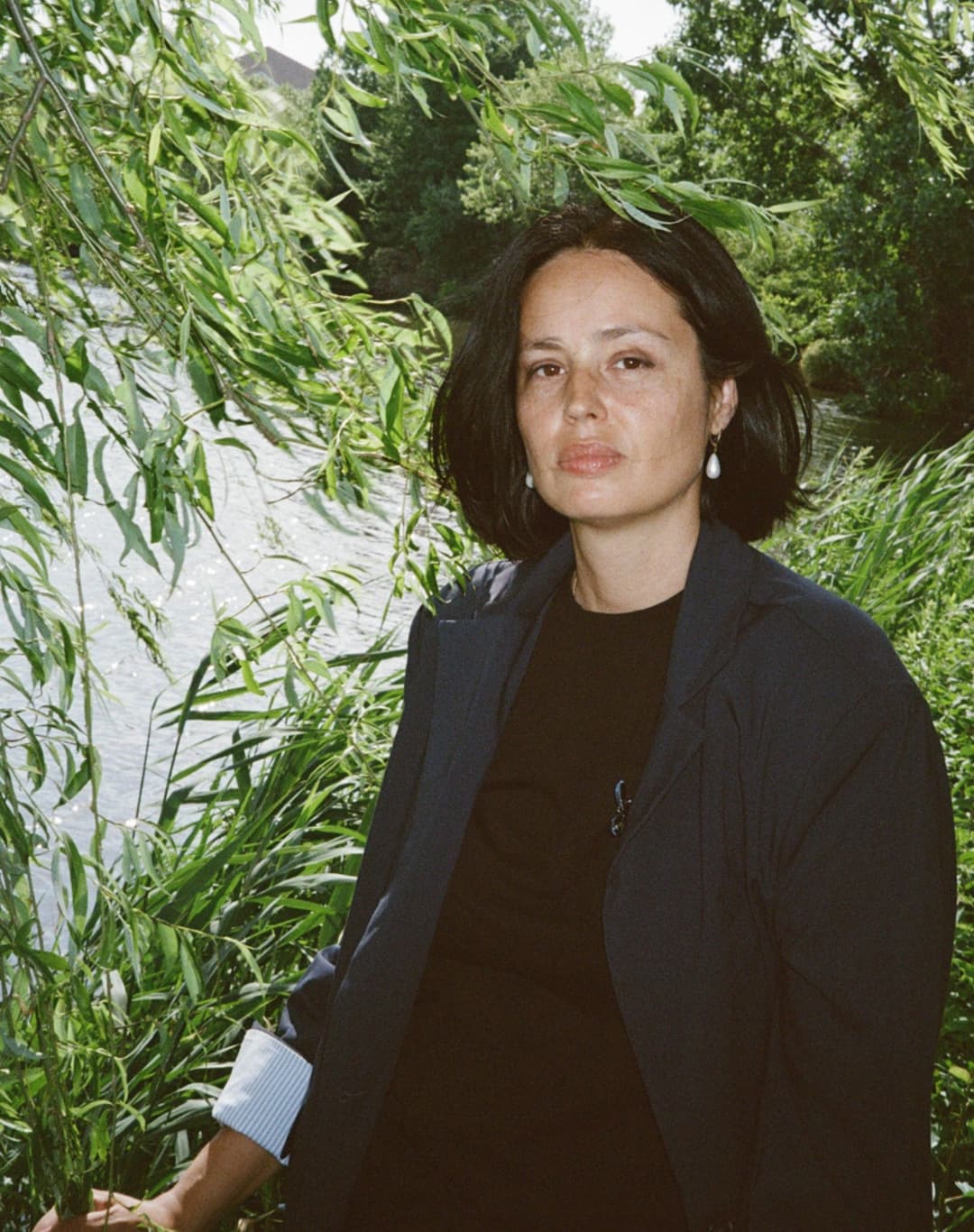
Nina Chkareuli
New York
Contemporary art, cultural erasure, recontextualization of Soviet art within Eastern European and Western context
The City University of New York, Mount Holyoke College
Nina Chkareuli is a Georgian-born, New York-based independent curator, writer, and researcher. She holds undergraduate degrees in International Relations and Gender Studies from Tbilisi State University and Mount Holyoke College, and a graduate degree in Museum Studies from the City University of New York. Chkareuli-Mdivani's book, 'King is Female,' published in October 2018 in Berlin by Wienand Verlag, explores the lives of three Georgian women artists and is the first publication to investigate questions of feminine identity within the context of Eastern European historical, social, and cultural transformations over the past twenty years.
Since 2017, Nina has regularly contributed reviews, essays, and interviews to Artforum, Berlin Art Link, e-flux, East European Film Bulletin, Flash Art Magazine, Hot Coffee Conversations, Hyperallergic, Indigo Magazine Tbilisi, JANE Magazine Australia, Impulse Magazine, Le Quotidien de l'Art, post.MoMA, NERO Editions Italy, Overstandard, Spaghetti Boost, The Art Newspaper, The Brooklyn Rail, White Hot Magazine, and others. She has curated over ten exhibitions in New York and Los Angeles (U.S.), Iserlohn and Berlin (Germany), Daugavpils (Latvia), Tbilisi (Georgia), and CDMX (Mexico). Her research intersects art history, museum studies, and decolonization studies, focusing on totalitarian art and trauma theory; she has written extensively on the erasure of culture and the recontextualization of Soviet and contemporary art within Eastern European and Western contexts.
In January 2024, Nina founded Hot Coffee Conversations, an independent cultural initiative dedicated to cross-disciplinary dialogue between artists, writers, curators, and other cultural workers
The research paper will investigate the sculptural and installation-based practice of Ukrainian-American artist Alina Tenser and the connection to other Ukrainian artists within the historical and political timeframes. Tenser’s interventions are particularly relevant in the context of post-industrial, post-Soviet, and diasporic spatialities, where cultural memory is fragmented, and historical narratives are contested. By activating ordinary materials—textiles, fabrics, or cast objects—her work interrogates the social and political conditions that produce and erase memory.